
أخبار العالمعاجلمقالات
إيران بين الغليان الداخلي والتجاذبات الإقليمية: الشرق الأوسط على حافة اختبار جديد – ماهر عبد القادر
بقلم: ماهر عبدالقادر – نيويورك
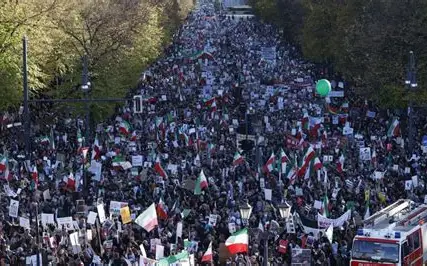
تشهد إيران في الأشهر الأخيرة واحدة من أوسع موجات الاحتجاجات الداخلية منذ سنوات، بدأت في ديسمبر الماضي وامتدت إلى معظم الأقاليم والمحافظات.
وتفيد تقارير حقوقية بسقوط مئات القتلى وآلاف المعتقلين، ما يعكس مستوى غير مسبوق من التوتر بين السلطة وقطاعات واسعة من المجتمع. في المقابل، ترى طهران أن ما بدأ كمطالب معيشية واجتماعية تطوّر إلى مسار يستهدف زعزعة الاستقرار، متهمة الولايات المتحدة وإسرائيل باستثمار حالة الغضب الشعبي لتحقيق أهداف سياسية وأمنية أوسع.
إسرائيل: ترقّب استراتيجي واستعداد للتصعيد
في هذا السياق، رفعت إسرائيل مستوى جاهزيتها العسكرية تحسبًا لاحتمال توسع المواجهة إقليميًا. وتنظر تل أبيب إلى الاضطرابات داخل إيران باعتبارها فرصة استراتيجية لإضعاف خصمها الإقليمي الأبرز دون الانخراط في حرب مباشرة.
ويُعتقد أن ما يُعرف بـ“حرب الظل” ما زال مستمرًا، عبر عمليات استخباراتية وسيبرانية واستهدافات غير معلنة، خصوصًا في ما يتعلق بالبرنامج النووي والبنية العسكرية الإيرانية.
التنسيق الأمني والسياسي بين إسرائيل والولايات المتحدة يشهد بدوره وتيرة متصاعدة، مع تركيز واضح على السيناريوهات المحتملة في حال خرج الوضع الإيراني عن السيطرة، أو في حال رأت تل أبيب أن أمنها الاستراتيجي بات مهددًا بشكل مباشر.
الولايات المتحدة: تصعيد في الخطاب وحذر في القرار
الإدارة الأميركية تعتمد خطابًا حادًا تجاه طهران، يربط بين الاحتجاجات وملفات “الحرية وحقوق الإنسان”، مع رسائل دعم سياسية واضحة للمعارضة الإيرانية. في الوقت نفسه، تبدي واشنطن حذرًا من الانجرار إلى مواجهة عسكرية شاملة في الشرق الأوسط، خاصة في ظل التجارب السابقة وتداعياتها.
التحركات العسكرية الأميركية الأخيرة في المنطقة، بما في ذلك نقل معدات وتعزيزات، تُقرأ في إطار الردع والضغط السياسي أكثر من كونها مؤشرًا على قرار وشيك بالحرب، مع بقاء كل الخيارات مفتوحة في حال تطور المشهد بشكل دراماتيكي.
احتمالات التدخل العسكري: سيناريوهات مفتوحة
رغم أن التدخل العسكري الأميركي المباشر لا يبدو مرجحًا في المدى القريب، إلا أنه يظل مطروحًا في حال وقوع هجوم مباشر على القوات أو المصالح الأميركية، أو حدوث تصعيد يهدد أمن إسرائيل بشكل استثنائي. السيناريو الأكثر تداولًا يتمثل في ضربات محدودة أو “جراحية”، أو تدخل غير مباشر عبر الاستخبارات والدعم اللوجستي.
في المقابل، تحذر إيران من أن أي عدوان مباشر سيقابل برد واسع النطاق، قد يشمل استهداف قواعد أميركية في المنطقة وأراضي إسرائيل، ما يرفع من احتمالات الانزلاق إلى مواجهة إقليمية أوسع نتيجة سوء التقدير أو تصاعد الاستفزازات.
المشهد الإقليمي: قلق خليجي ومخاوف من الانفجار
التداخل بين الاحتجاجات الإيرانية، والضغط الإسرائيلي، والموقف الأميركي، يضع المنطقة بأكملها في حالة ترقّب حذر. دول الخليج تتابع التطورات بقلق بالغ، في ظل مخاوف من تمدد الصراع وتأثيره على أمن الطاقة والاستقرار الاقتصادي، ومن تحوّل المنطقة إلى ساحة مواجهة مفتوحة تخدم حسابات قوى كبرى على حساب أمنها الداخلي.
خلاصة
لم يعد ما يجري في إيران شأناً داخليًا صرفًا، بل بات جزءًا من معادلة إقليمية ودولية معقّدة تتقاطع فيها الاحتجاجات الشعبية مع صراعات النفوذ وحسابات الردع. إسرائيل تدفع باتجاه مزيد من الضغط، الولايات المتحدة تلوّح دون حسم، وإيران تسعى إلى إدارة أزمتها الداخلية مع الحفاظ على توازن الردع الخارجي.
في ظل هذا المشهد، يقف الشرق الأوسط أمام منعطف بالغ الحساسية، حيث قد يؤدي أي خطأ في الحسابات إلى إعادة رسم موازين القوى الإقليمية خلال السنوات القليلة المقبلة، وربما قبل ذلك.
Iran Between Domestic Turmoil and Regional Power Struggles: The Middle East on the Brink of a New Test
In recent months, Iran has witnessed one of the most extensive waves of domestic protests in years. Beginning last December, demonstrations have spread across most provinces and regions. Human rights reports indicate hundreds of deaths and thousands of arrests, reflecting an unprecedented level of tension between the authorities and broad segments of society. In response, Tehran argues that what began as socioeconomic demands has evolved into a destabilization campaign, accusing the United States and Israel of exploiting popular anger to advance broader political and security objectives.
Israel: Strategic Vigilance and Readiness to Escalate
Against this backdrop, Israel has raised its level of military readiness in anticipation of a potential regional escalation. Tel Aviv views the unrest inside Iran as a strategic opportunity to weaken its most significant regional adversary without engaging in a direct war. What is commonly referred to as the “shadow war” is widely believed to be ongoing, involving intelligence and cyber operations and undeclared strikes, particularly targeting Iran’s nuclear program and military infrastructure.
Security and political coordination between Israel and the United States has also intensified, with a clear focus on potential scenarios should the situation inside Iran spiral out of control or should Israel perceive an exceptional threat to its strategic security.
The United States: Escalatory Rhetoric, Cautious Decision-Making
The U.S. administration has adopted a sharp tone toward Tehran, linking the protests to issues of “freedom and human rights,” while delivering clear political messages of support for the Iranian opposition. At the same time, Washington has shown caution about being drawn into a full-scale military confrontation in the Middle East, particularly given the legacy and consequences of previous conflicts.
Recent U.S. military movements in the region, including the transfer of equipment and reinforcements, are widely interpreted as measures of deterrence and political pressure rather than clear indicators of an imminent decision to go to war, with all options remaining on the table should developments take a dramatic turn.
Prospects for Military Intervention: Open Scenarios
Although direct U.S. military intervention does not appear likely in the near term, it remains a possibility under certain conditions, such as a direct attack on American forces or interests, or a significant escalation that poses an exceptional threat to Israel’s security. The most frequently discussed scenarios involve limited or “surgical” strikes, or indirect intervention through intelligence cooperation and logistical support.
Iran, for its part, has warned that any direct aggression would be met with a wide-ranging response, potentially including attacks on U.S. bases in the region and on Israeli territory—raising the risk of a broader regional confrontation driven by miscalculation or escalating provocations.
The Regional Landscape: Gulf Anxiety and Fears of Escalation
The convergence of Iranian domestic unrest, Israeli pressure, and the U.S. posture has placed the entire region in a state of cautious anticipation. Gulf states are closely monitoring developments with deep concern, amid fears that the conflict could expand, disrupt energy security and economic stability, and turn the region into an open arena for great-power rivalries at the expense of their internal security.
Conclusion
What is unfolding in Iran can no longer be viewed as a purely internal affair. It has become part of a complex regional and international equation in which popular protests intersect with power struggles and deterrence calculations. Israel is pushing for increased pressure, the United States is signaling without committing, and Iran is seeking to manage its internal crisis while maintaining external deterrence.
Under these conditions, the Middle East stands at an extremely sensitive crossroads, where a single miscalculation could reshape regional balances of power in the coming years—perhaps sooner rather than later.